Shadows of Stewartby
Introduction
This series is about Stewartby, once the world’s largest brickworks, now mostly quiet and disused. The photos focus on what’s left of it — big, weathered structures that still carry traces of a much busier past.
Factory Foundation and Growth
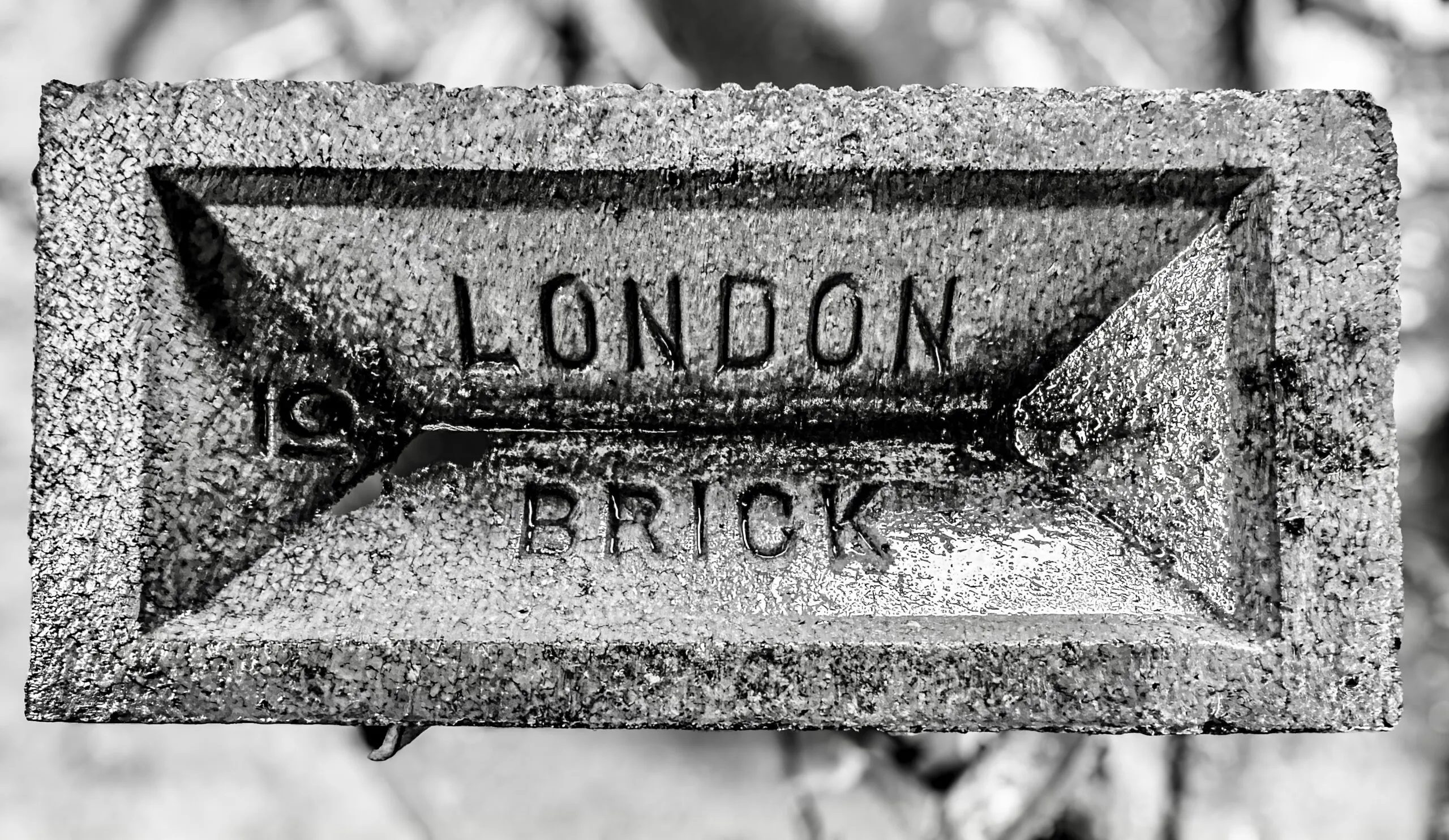
The London Brick Company was founded in 1889, during Britain’s Industrial Revolution, by John Cathles Hill, a developer-architect based in Fletton, Huntingdonshire. Hill identified the Oxford Clay deposits across Bedfordshire as a prime resource for mass-producing Fletton bricks. Through land and brickyard acquisitions in the early 20th century, the company scaled up quickly, and its 1923 merger with B.J. Forder & Son, led by the Stewart family, secured its position in the Fletton brick market. The merger also kicked off the planned expansion of Stewartby as a company town — similar to the Victorian Quaker-built towns — providing housing, schools, and recreational facilities for its workforce.
Peak Production Era
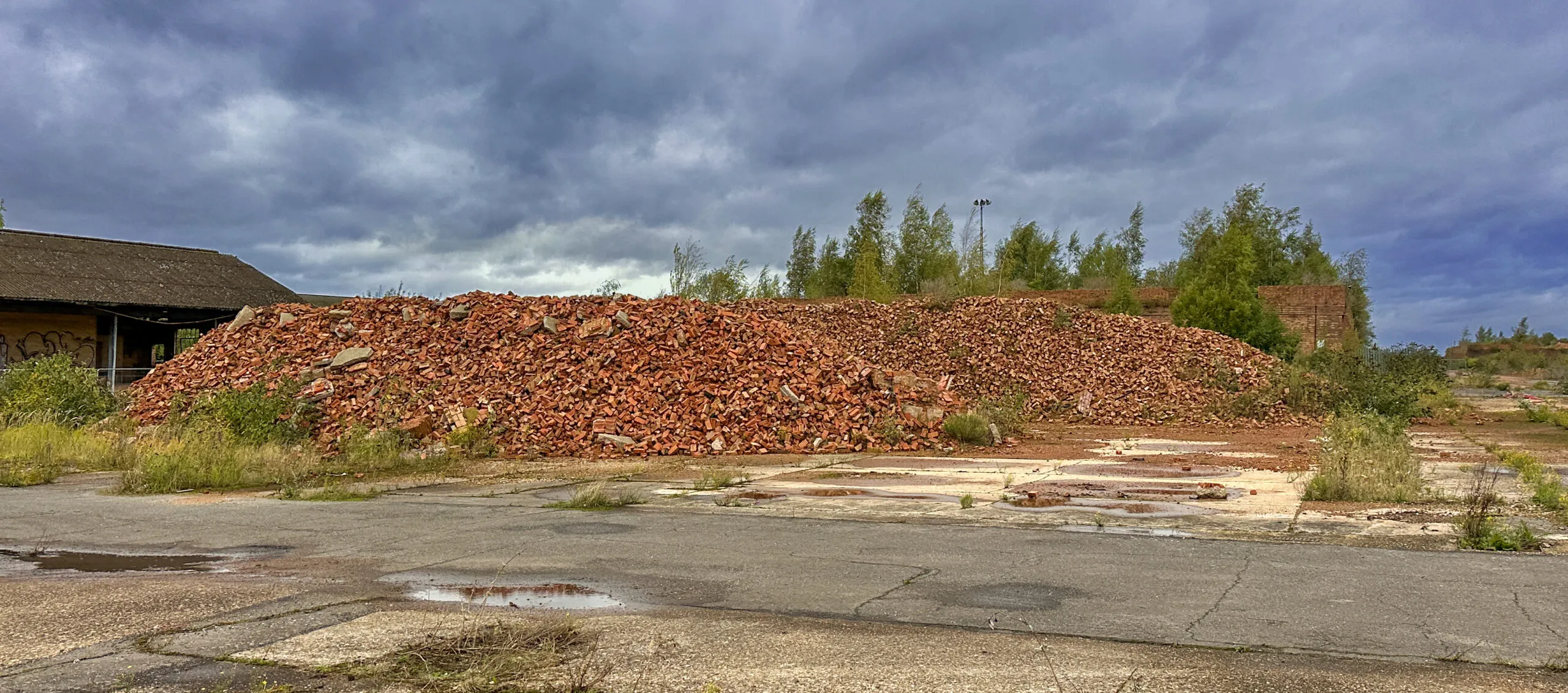
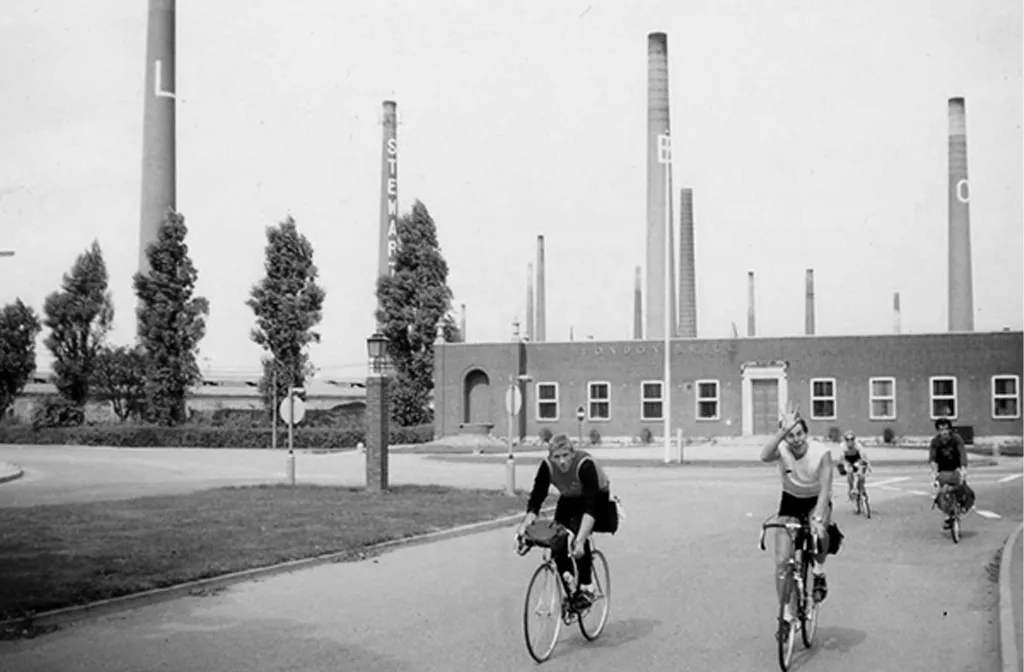
Stewartby Brickworks became a symbol of British industrial capability, its skyline defined by 90-metre chimneys. By 1936 it had reached its peak, recognised as the largest brick factory in the world — employing over 2,000 people and producing 500 million bricks a year, enough for 60,000 homes annually. Fletton bricks, made from the local Oxford Clay, were known for consistent quality, low cost (thanks to reduced fuel costs during firing), and a distinct yellowish-brown colour from the clay’s high carbon content.
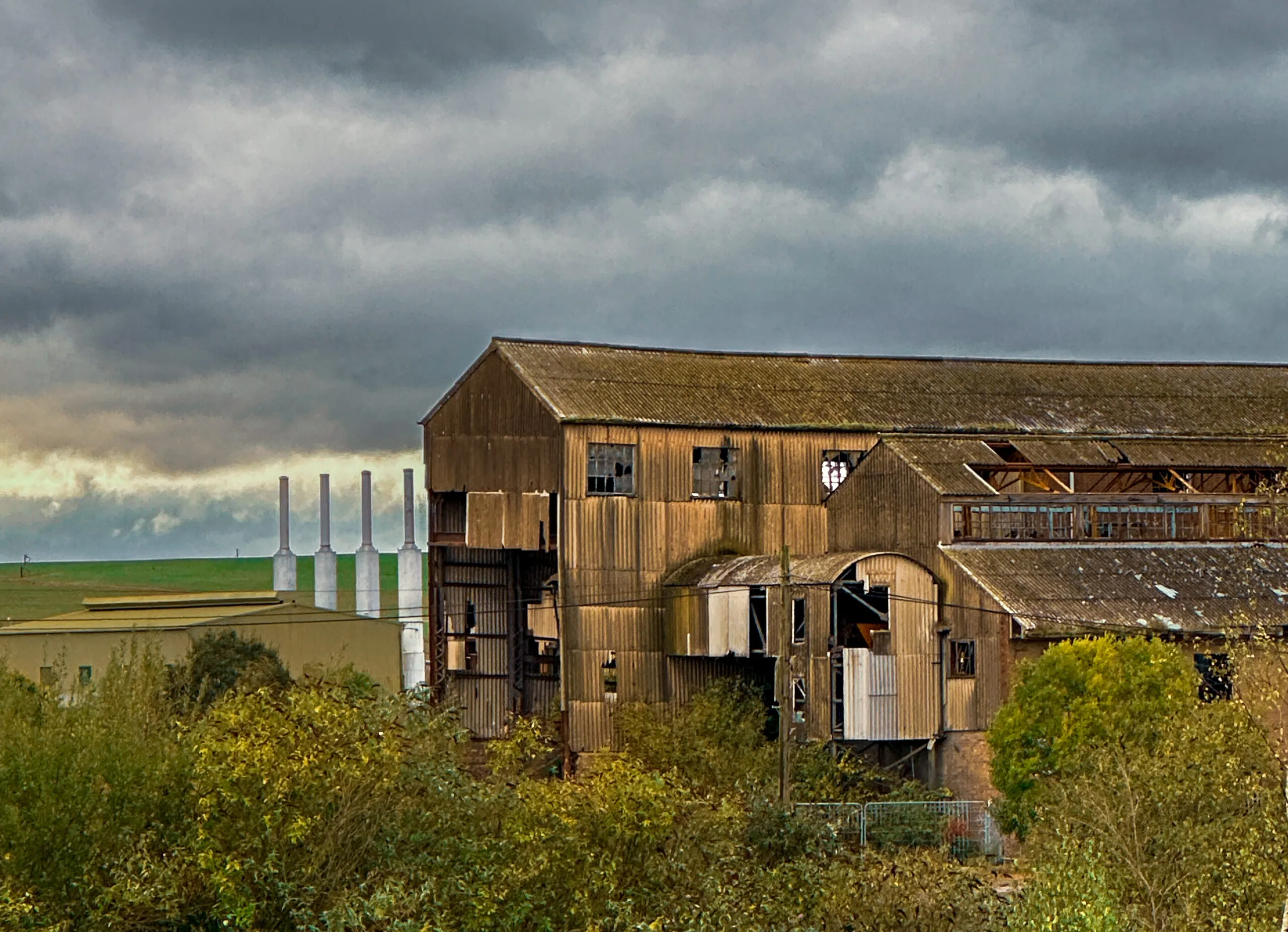
The London Brick Company also pioneered large-scale dragline excavators and ran the world’s largest continuous kilns. Its bricks were used in projects from Buckingham Palace and the British Museum to Battersea Power Station, and in rebuilding homes and industrial buildings after the Second World War. By the 1970s, Bedfordshire — largely thanks to Stewartby’s output — made up 20% of England’s total brick production, and the term “London Brick” became synonymous with the company, a name that’s stuck even though the factory closed nearly two decades ago.
End of an Era
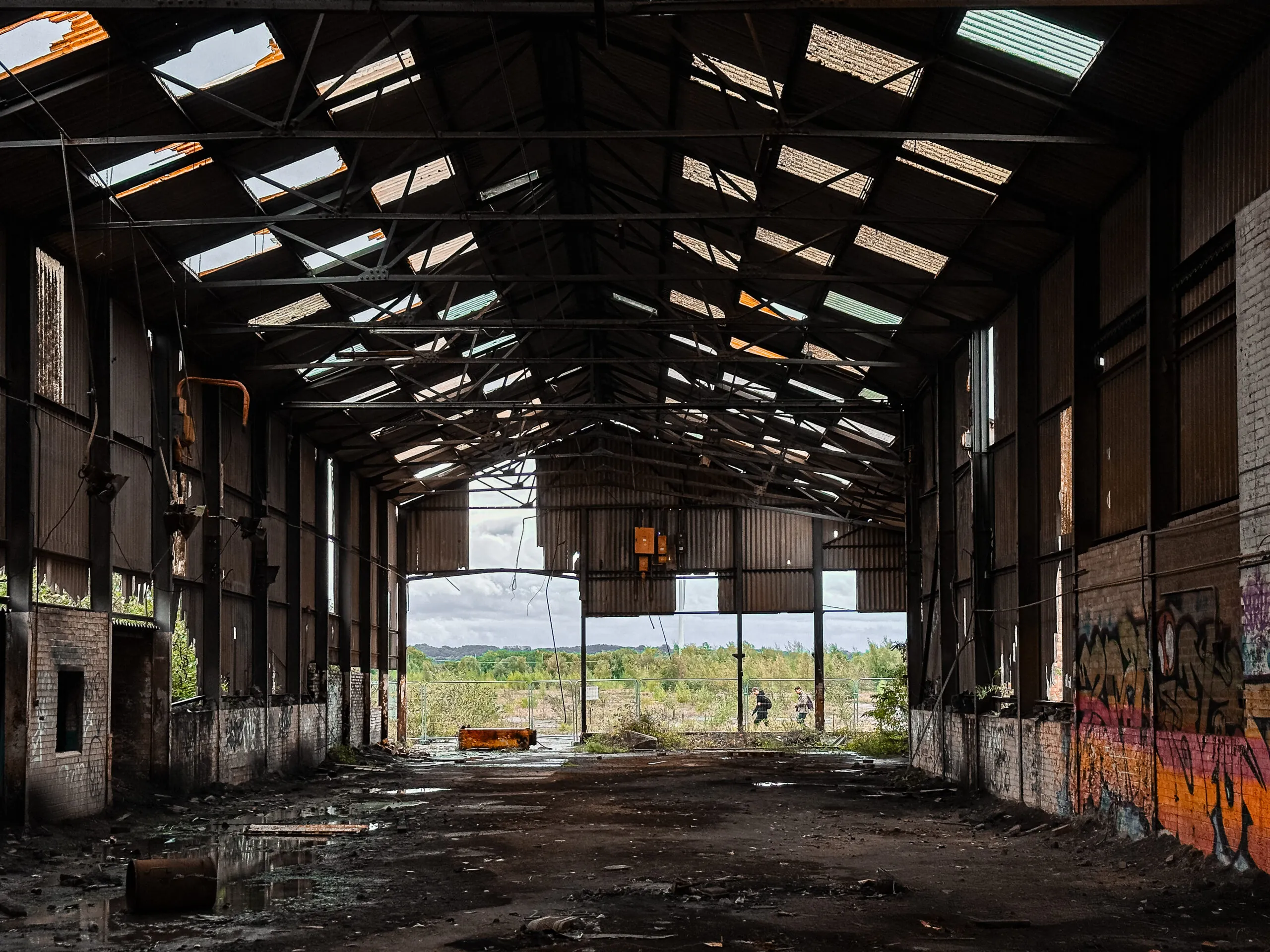
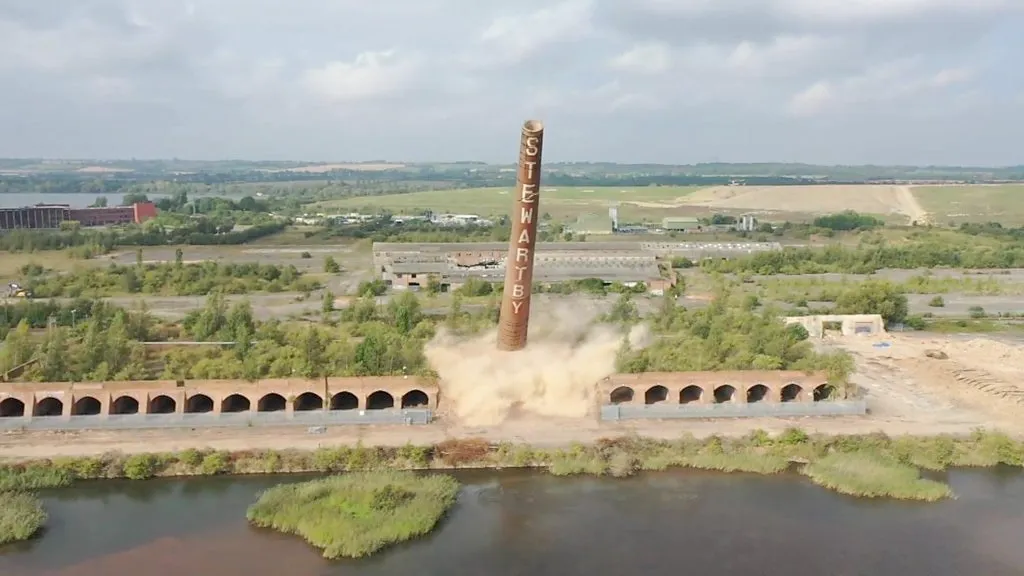
In the latter half of the twentieth century, the factory ran into trouble. Changes in construction methods and tighter environmental regulations cut demand for traditional London bricks. Despite spending over £1 million on emissions reduction technology between 2005 and 2007, Stewartby Brickworks closed for good in 2008. The town’s population dropped from over 1,600 in 1951 to 1,100 by 2011 as a result. It’s since recovered somewhat — the population is now over 2,500, and there have been proposals for the land, including a Universal Studios theme park and mixed-use development — but nothing concrete has been confirmed yet.
Industrial Remnants
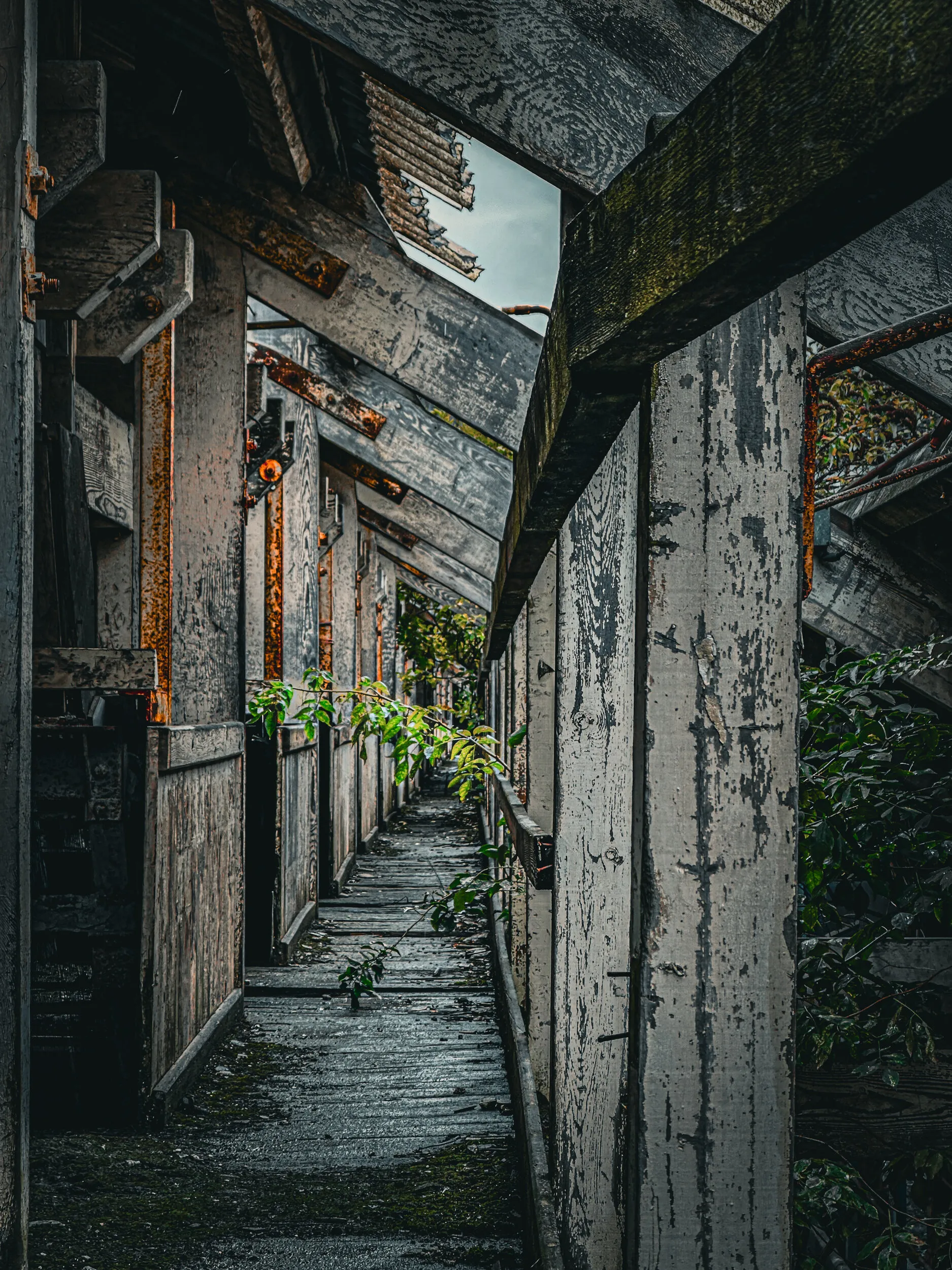
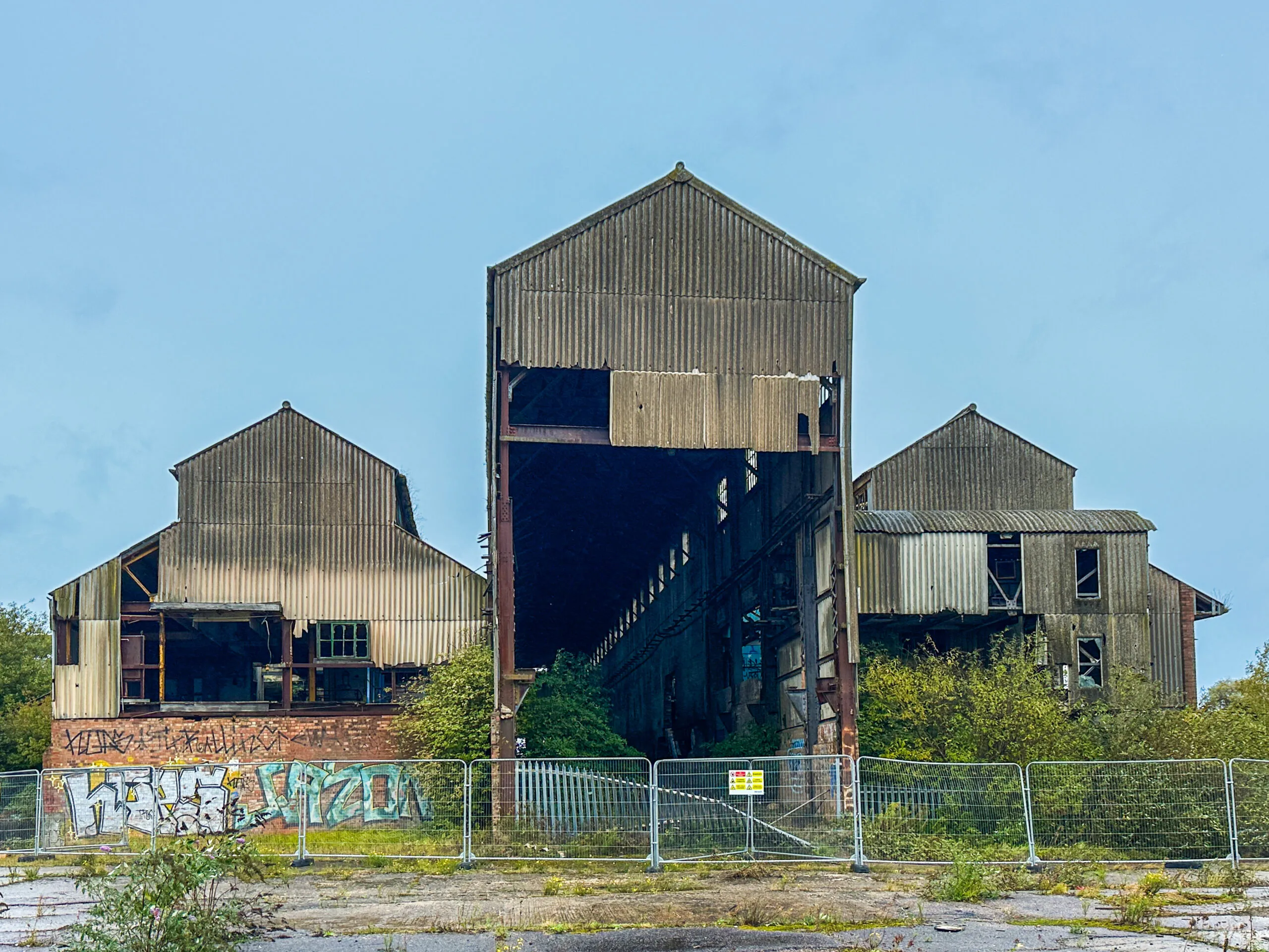
The site has slowly been retaken by nature since then, and now draws photographers who come to document what’s left of it. Below are some of those.
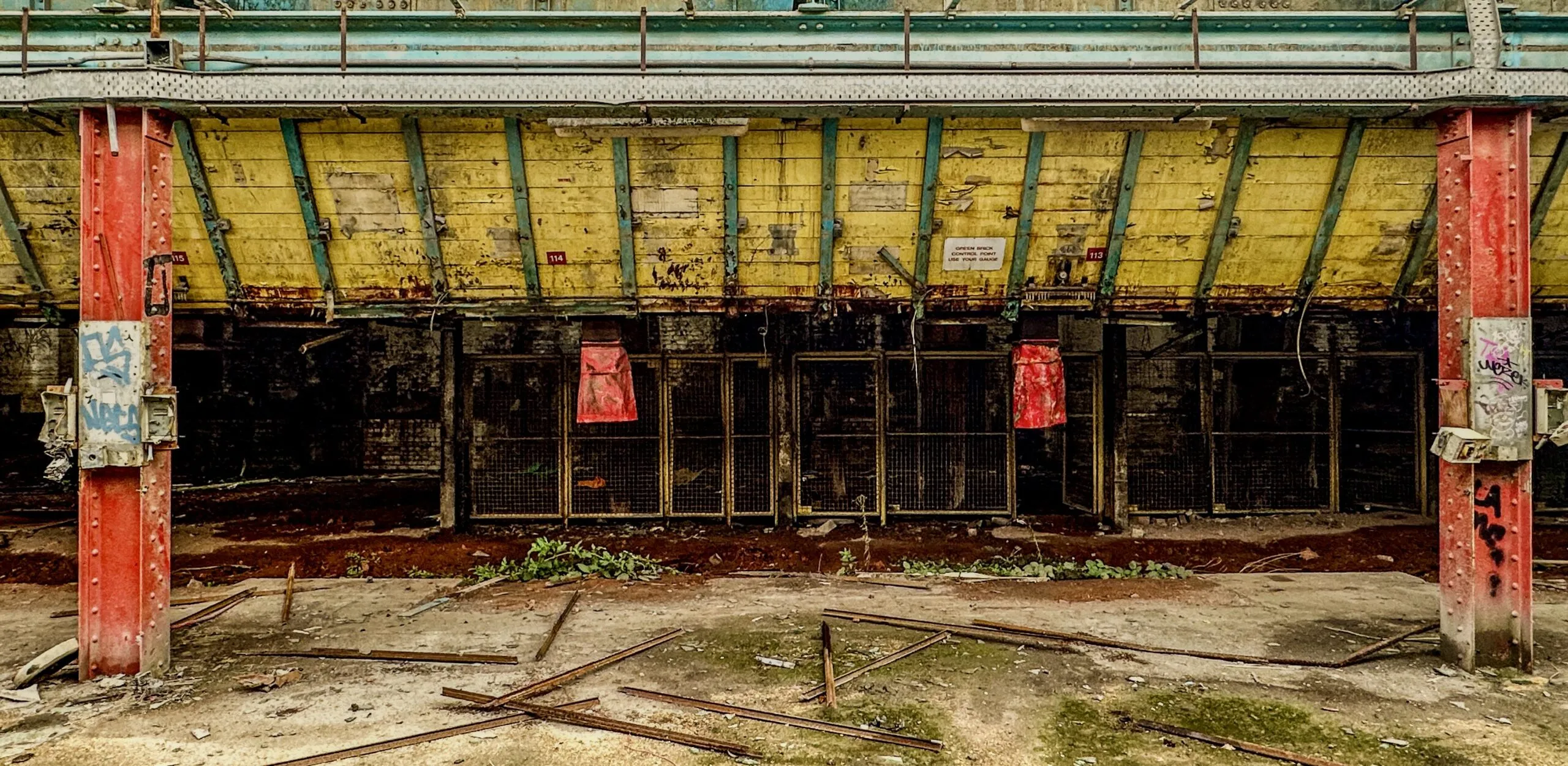
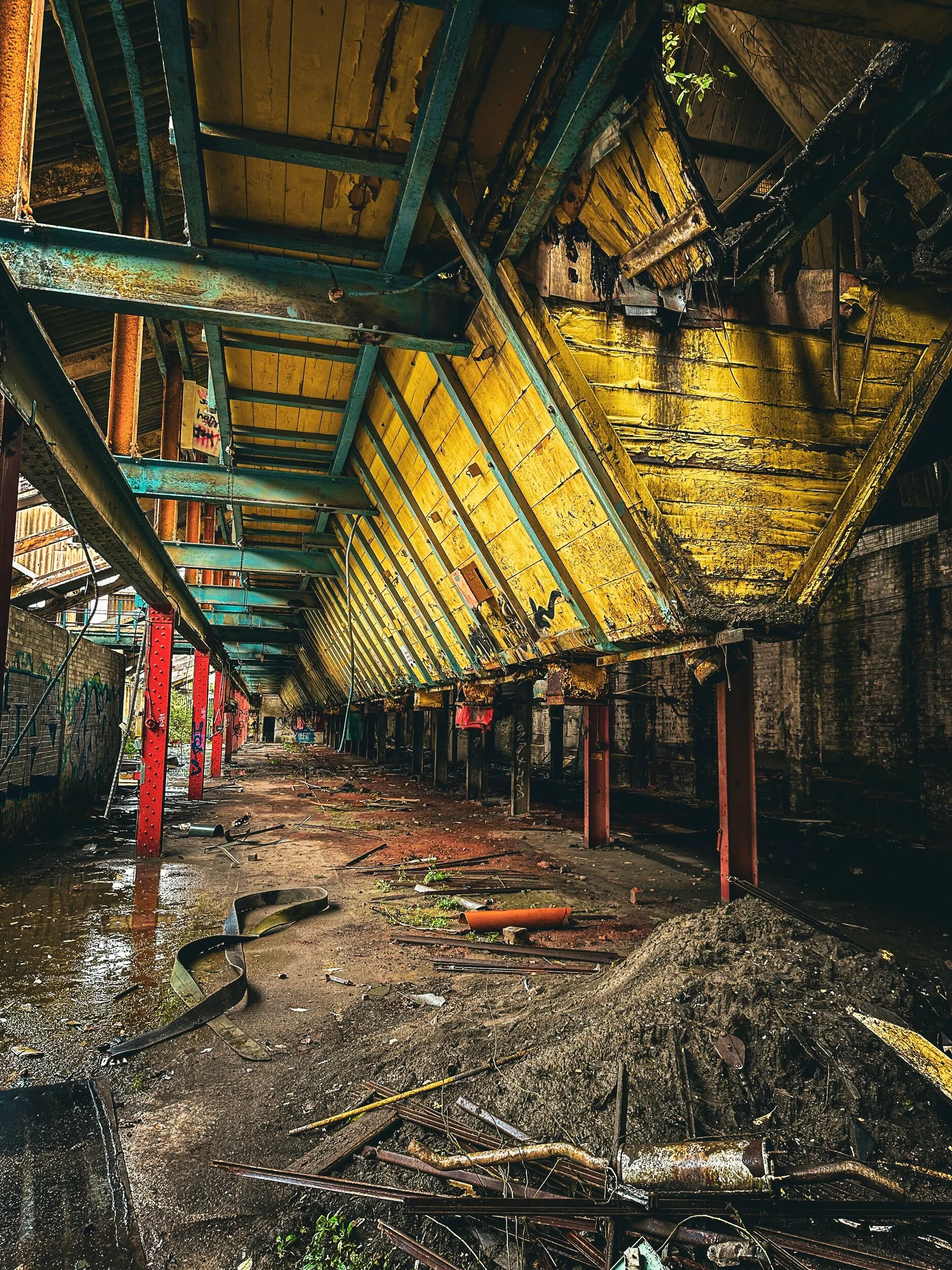
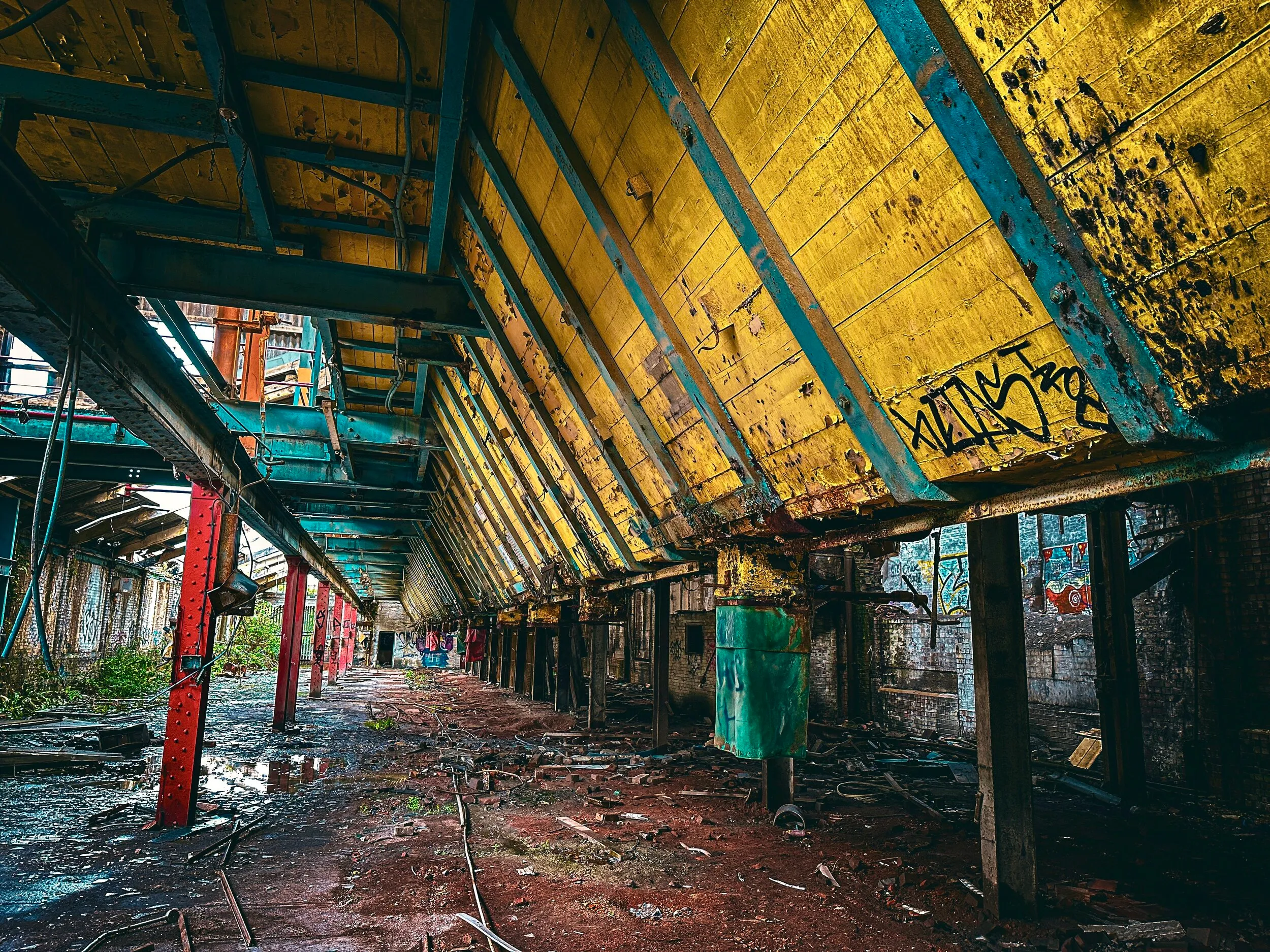
These rows of hoppers, on the old factory floor, were the starting point for billions of bricks — their funnel-shaped bodies fed tons of Oxford clay into the production line. Now they just sit still, a reminder of the scale this place used to run at.
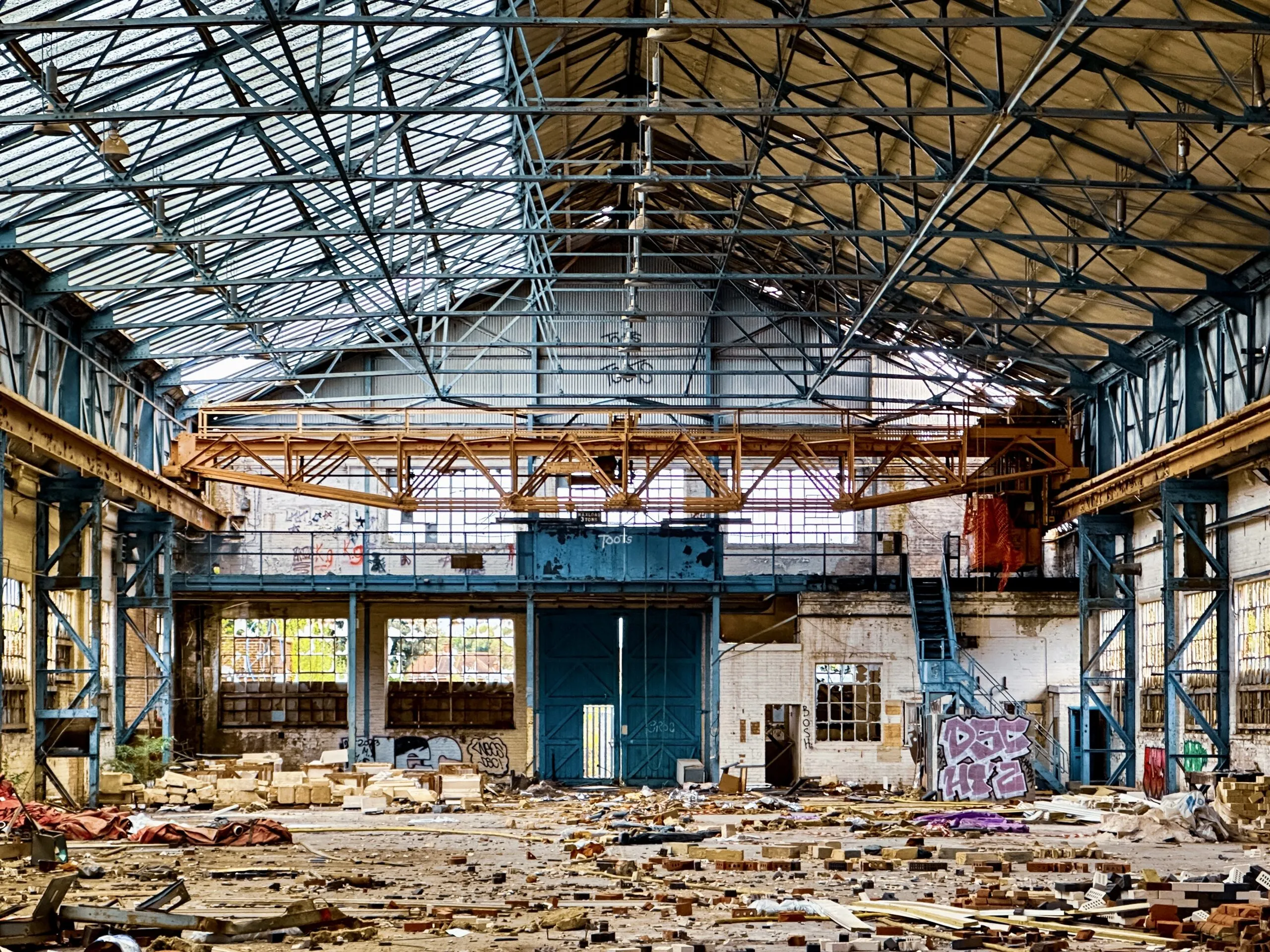
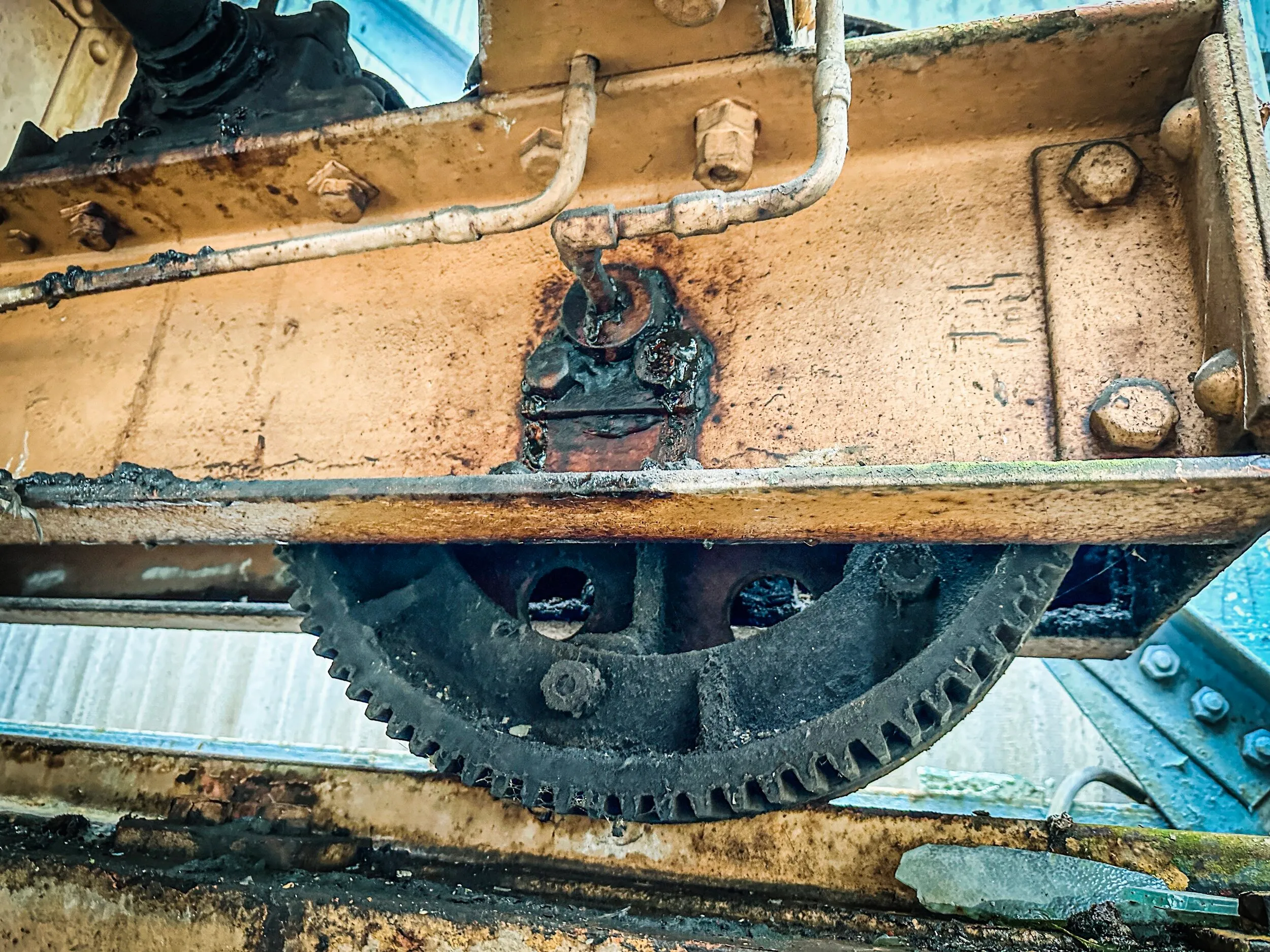
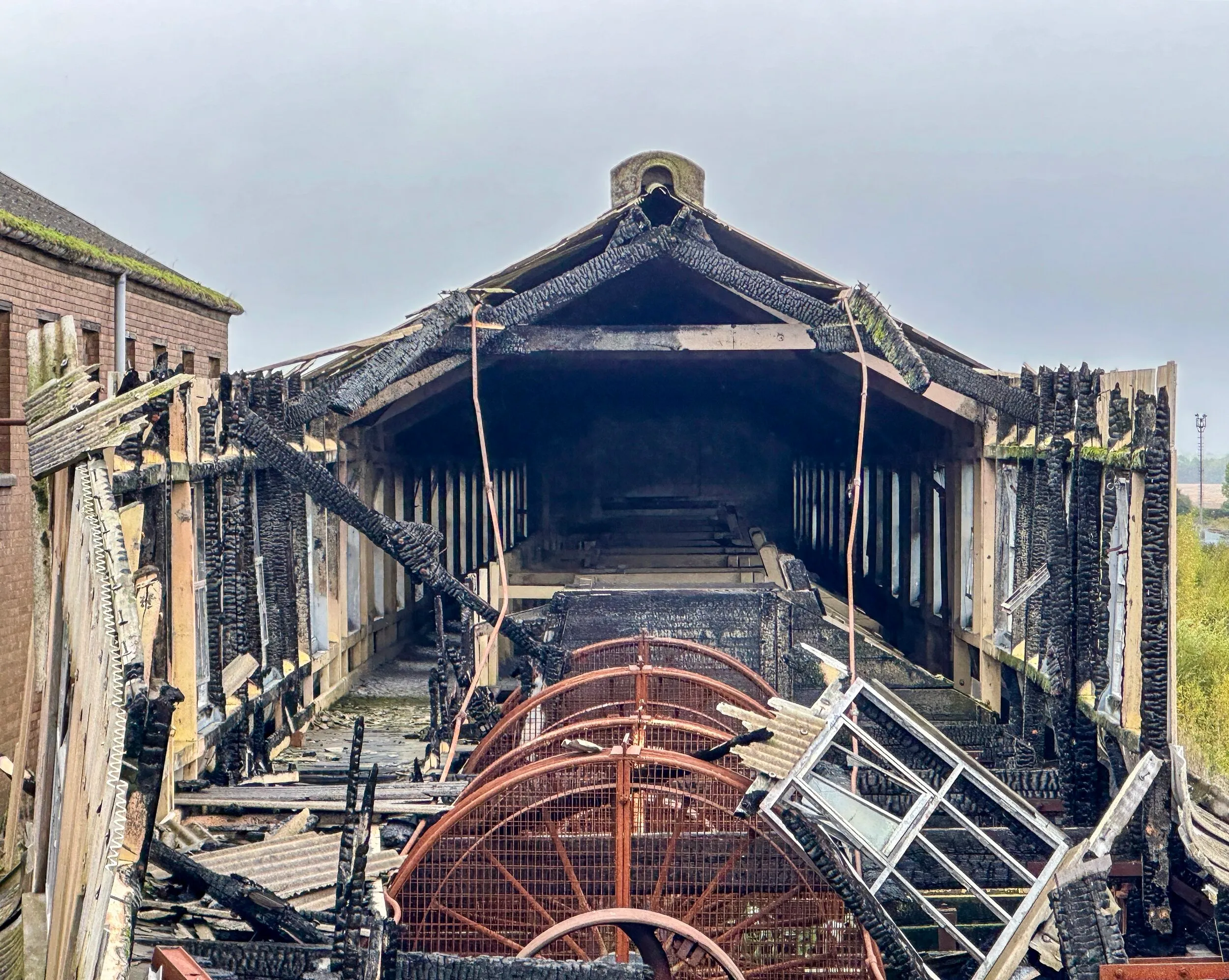
This yellow gantry crane, hanging under the lattice-work roof of one of the warehouses, used to move heavy bundles of brick across the floor all day. Now it just hangs there, motionless.
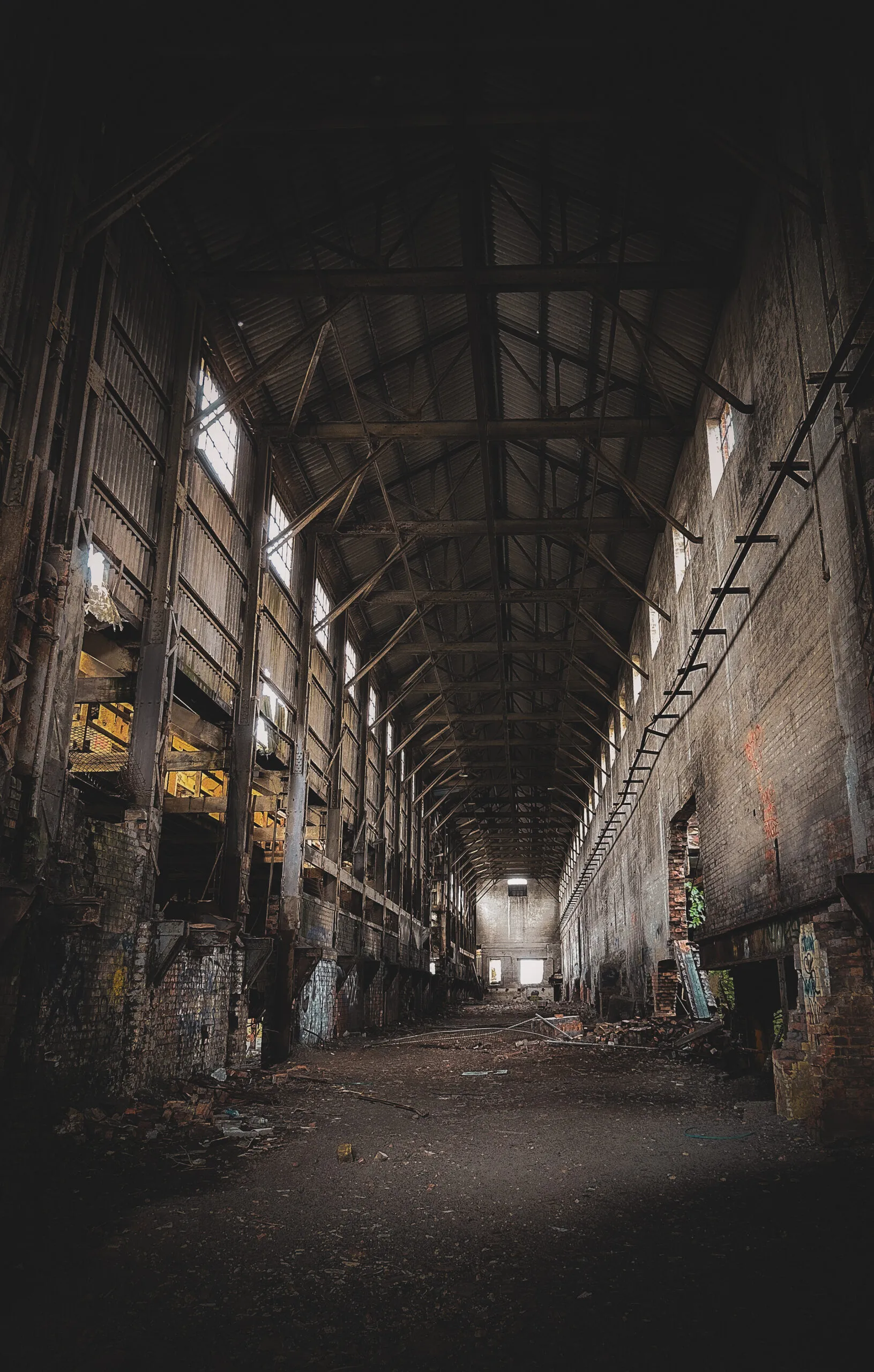
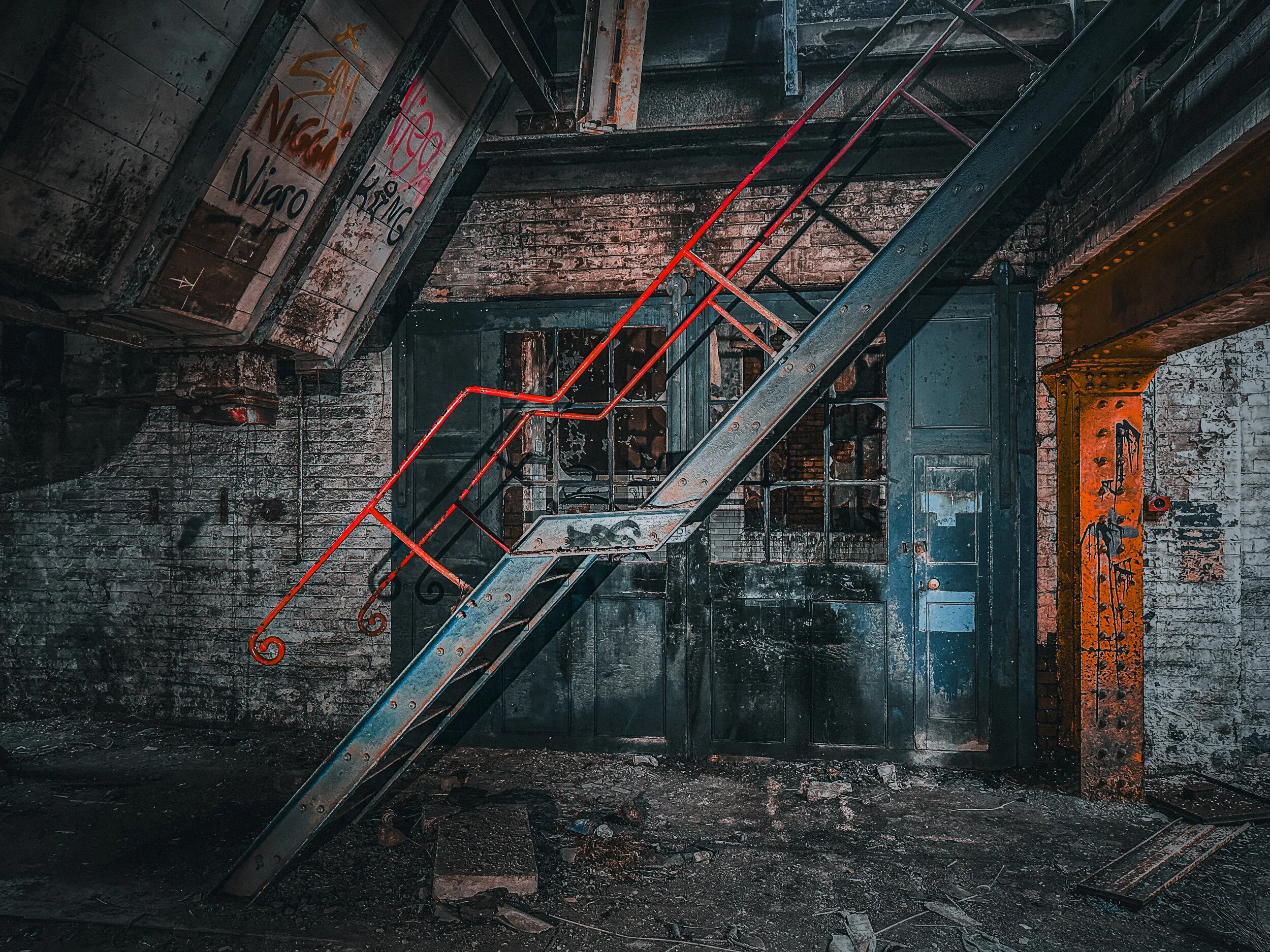
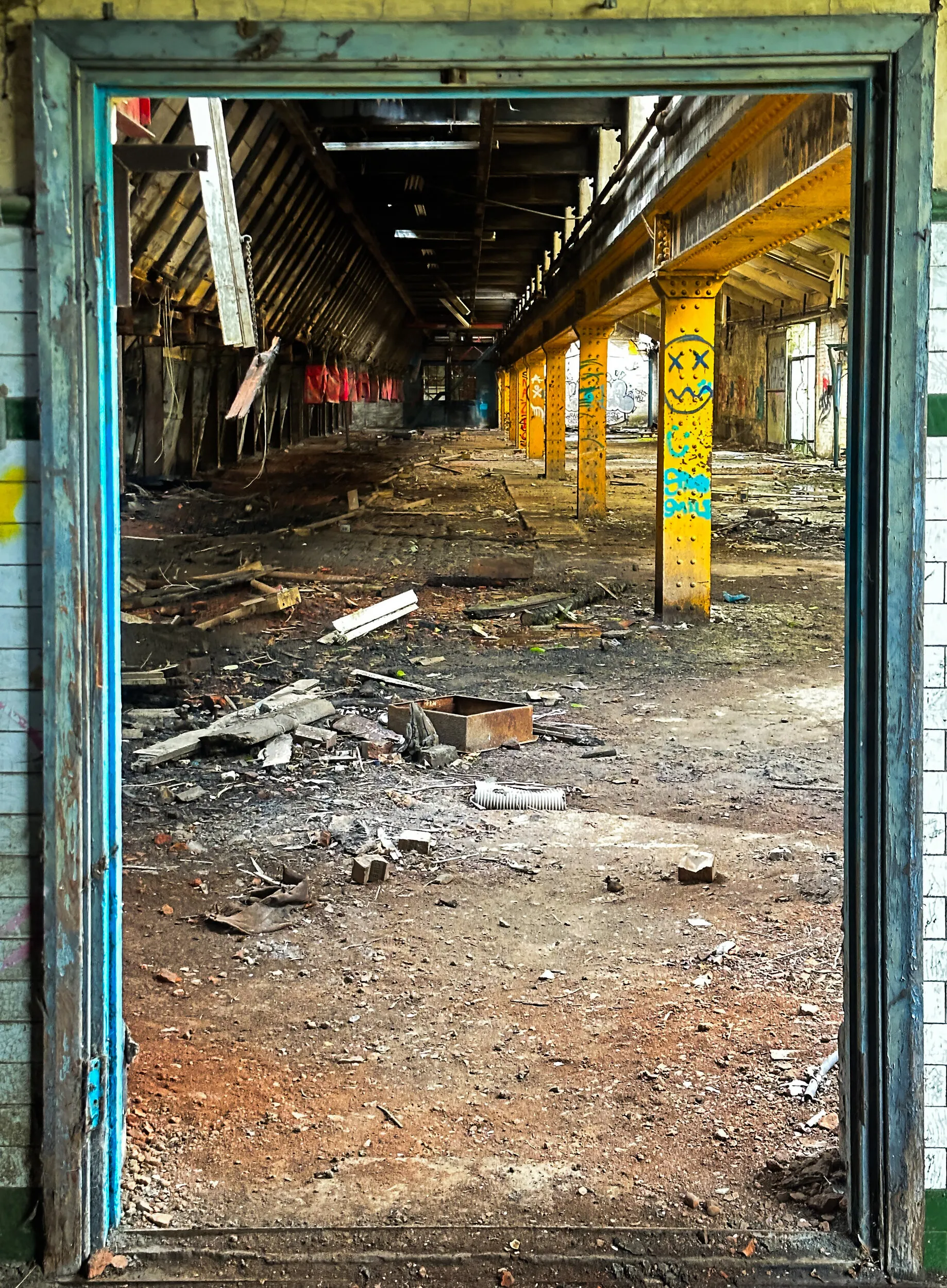
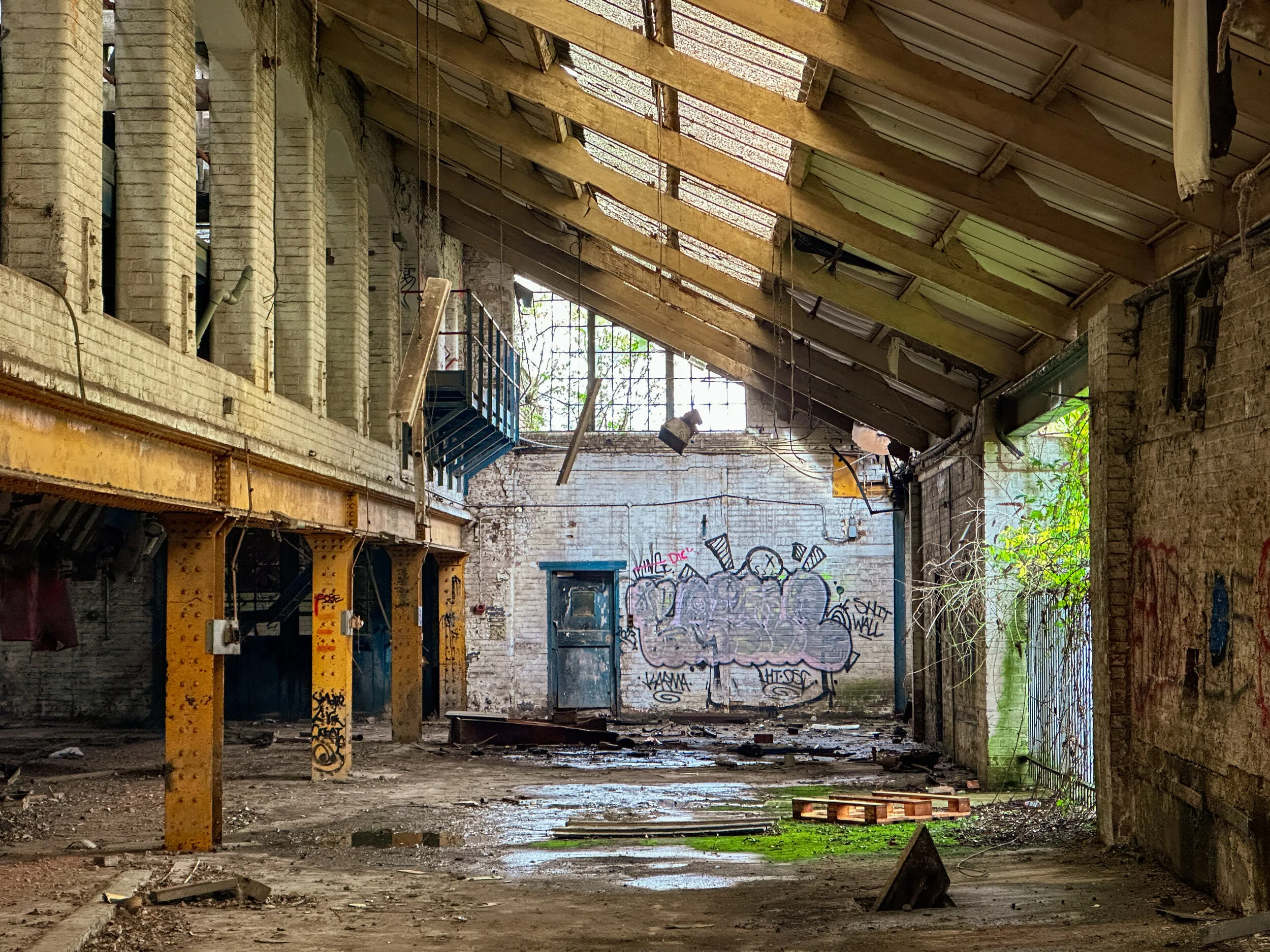
Inside Stewartby’s main building, you can still get a sense of the scale of what used to happen here. The hall that used to echo with production noise is now just quiet, with the wind moving through it.

An office left as it was when the site stopped operating. Light from the window falls on peeling paint and whatever was left on the desk — a small, quiet trace of the people who used to run this place day to day.